Lost in the Magic of Cairo’s Hidden Corners
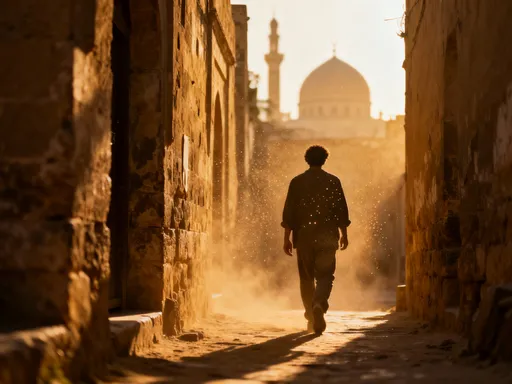
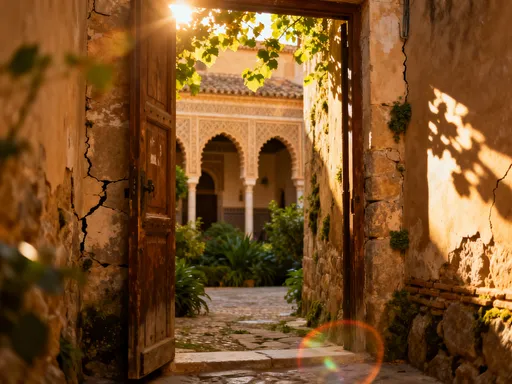
You know what? Cairo isn’t just pyramids and museums—though those are absolutely mind-blowing. My trip was all about getting lost in chaotic alleys, stumbling on ancient corners no tour guide mentioned, and feeling the pulse of a city that’s lived a thousand lives. From the golden haze over the Nile to the scent of cumin in backstreet markets, every moment felt raw and real. This is not just sightseeing—it’s experiencing history, one unexpected smile from a local at a time. Cairo doesn’t reveal itself in brochures or guidebooks; it unfolds slowly, in the rhythm of daily life, in the warmth of a shared cup of tea, and in the quiet dignity of stones that have stood for millennia.
First Steps in a Timeless City: Arriving in Cairo
Touching down at Cairo International Airport is like stepping into a gateway between worlds. The moment you exit the terminal, the city greets you with a symphony of honking horns, warm desert air, and the faint aroma of grilled meat and incense drifting from nearby food carts. The drive into central Cairo is a sensory overture—modern high-rises rise beside centuries-old minarets, and billboards advertising smartphones hang above streets where donkey carts still weave through traffic. It’s a city where time doesn’t move in a straight line; instead, it layers, folds, and repeats, creating a tapestry of eras that coexist in surprising harmony.
What strikes most travelers first is the sheer scale of human energy. Cairo is home to over 20 million people, making it the largest city in the Arab world and one of the most densely populated urban centers on Earth. Yet, despite the crowds and constant motion, there’s an underlying rhythm—a kind of organized chaos that, once you tune into it, begins to feel almost comforting. The call to prayer echoes across rooftops just as delivery scooters zip past street vendors selling koshari, Egypt’s beloved national dish. It’s a place where ancient traditions thrive alongside modern life, not in opposition, but in conversation.
For first-time visitors, the initial hours can be overwhelming. The language barrier, the intensity of eye contact, the persistent but rarely aggressive offers for guided tours or taxi rides—all contribute to a sense of being slightly off balance. But that disorientation is part of the experience. It strips away the comfort of predictability and forces you to engage, to look around, to notice. And once you do, you begin to see the details: the hand-painted signs in Arabic script, the elderly man rolling a cigarette on a park bench, the children laughing as they kick a soccer ball through a narrow alley. These are the moments that quietly stitch you into the fabric of the city.
The Pyramids of Giza: More Than Just a Postcard View
No visit to Cairo is complete without standing before the Pyramids of Giza, the last surviving wonder of the ancient world. Located on the edge of the Western Desert, just a short drive from the city center, the Giza Plateau offers a sight that no photograph can fully capture. Seeing the Great Pyramid rise from the golden sand, its limestone casing stones catching the morning light, is a moment of profound awe. It’s not just the size—though at 146 meters tall, it remains an engineering marvel—but the sheer weight of history it carries. Built over 4,500 years ago as a tomb for Pharaoh Khufu, it has watched empires rise and fall, dynasties come and go, and civilizations transform beyond recognition.
To truly appreciate the pyramids, timing is essential. Arriving early in the morning, just after sunrise, allows you to avoid the heat and the crowds. The soft light enhances the texture of the stone, and the air is still cool enough to walk comfortably. Many tourists rush in midday, when the sun is high and the plateau feels exposed, but those who come at dawn are rewarded with a more intimate experience. You can stand close enough to touch the ancient blocks, feel their roughness under your fingers, and imagine the thousands of hands that placed them there with nothing but rope, ramps, and sheer determination.
While it’s possible to explore the site independently, hiring a licensed guide can deepen your understanding. Look for someone affiliated with the Egyptian Ministry of Tourism and Antiquities—these guides are trained and knowledgeable, offering context that transforms stones into stories. They can explain the astronomical alignment of the pyramids, the significance of the Sphinx’s missing nose, and the ongoing archaeological discoveries that continue to reshape our understanding of ancient Egypt. At the same time, be mindful of unofficial guides who may approach you at the entrance; while some are well-meaning, others may pressure you for tips or services you didn’t request.
One of the most moving aspects of visiting Giza is realizing that these monuments were never meant to be seen from afar. They were built to be experienced—circled, entered, revered. Climbing inside the narrow passage of the Great Pyramid, even for a short distance, is a humbling act. The air is cool and still, the walls rough and uneven, and the silence amplifies your breath. It’s a reminder that these structures were not built for tourists, but for eternity.
Riding Through History: The Charm of Old Cairo
If Giza represents the grandeur of ancient Egypt, Old Cairo embodies its spiritual continuity. Nestled within the southern part of the city, this historic district is a living museum where Christianity, Islam, and Judaism have coexisted for centuries. Walking through its narrow, winding streets feels like moving through a timeline—each turn revealing a new layer of faith, architecture, and daily life. The air here is quieter, though not silent; the hum of conversation, the clinking of tea glasses, and the distant call to prayer create a peaceful backdrop.
One of the most remarkable sites is the Hanging Church, so named because it was built atop the gatehouse of a Roman fortress. Its wooden ceilings, painted in rich Coptic designs, and its collection of ancient icons offer a glimpse into Egypt’s Christian heritage, which dates back to the first century AD. Inside, the atmosphere is reverent but welcoming. Visitors are asked to remove their shoes, a small gesture that fosters respect and mindfulness. Nearby, the Church of St. Sergius and Bacchus is believed to be built on the spot where the Holy Family rested during their flight into Egypt, making it a site of deep significance for Christian pilgrims.
Just a short walk away, the Islamic heart of Old Cairo pulses with life. Al-Azhar Mosque, founded in 970 AD, is not only a place of worship but also the seat of Al-Azhar University, one of the oldest continuously operating universities in the world. Its courtyards are filled with students in white robes, quietly reciting verses or debating theology. The mosque’s architecture—delicate stonework, towering minarets, and intricate tile mosaics—speaks to the artistic sophistication of medieval Islamic civilization. Visitors are welcome in certain areas, though modest dress and quiet behavior are expected.
What makes Old Cairo so special is not just its monuments, but the way they are woven into everyday life. A woman carries a bag of fresh bread past a centuries-old synagogue. A tailor sits outside his shop, sewing by hand beneath a faded awning. These moments of ordinary life, unfolding against an extraordinary backdrop, create a sense of timelessness. It’s here that you begin to understand Cairo not as a relic, but as a city that remembers.
Khan El-Khalili Bazaar: Chaos with Character
No description of Cairo would be complete without the Khan El-Khalili Bazaar, a labyrinth of alleys that has been a commercial hub since the 14th century. Stepping into its shaded pathways is like entering another world—one filled with the scent of sandalwood and saffron, the glint of brass lanterns, and the murmur of bargaining in multiple languages. This is not a sanitized tourist market, but a living, breathing marketplace where locals still come to shop, eat, and socialize.
The bazaar is best explored on foot, with no fixed destination in mind. Let yourself get lost. Turn down a narrow passage lined with spice stalls, where pyramids of turmeric, cumin, and dried mint spill from burlap sacks. Run your fingers over hand-embroidered linens, or pause to watch a silversmith hammer a delicate bracelet into shape. Every corner holds a new discovery: a shop selling antique Qur’ans, a vendor offering rosewater-scented soap, or a tiny café where men play backgammon over tiny glasses of sweet tea.
Haggling is expected, but it should be done with a smile. Prices are rarely fixed, and a respectful negotiation is part of the cultural exchange. Start by offering about half the initial price, then meet somewhere in the middle. The goal isn’t to win, but to engage. Many shopkeepers enjoy sharing stories—about their families, their crafts, or the history of the bazaar itself. A few minutes of conversation can turn a simple purchase into a meaningful interaction.
For a moment of calm, head to El Fishawy, one of the oldest cafes in the market. Opened in the 1770s, it’s a dimly lit haven where generations have gathered to drink tea, smoke shisha, and watch the world go by. Sit at a wobbly wooden table, order a glass of mint tea, and let the rhythm of the bazaar wash over you. The waiters move with practiced ease, balancing trays through the crowded room. Time slows here, not because anything stops, but because you finally stop trying to keep up.
Sunset on the Nile: A Different Perspective
After the intensity of the city, a felucca ride on the Nile offers a perfect counterbalance. These traditional wooden sailboats, with their lateen sails and simple benches, have plied the river for centuries. At sunset, when the sky turns soft orange and the city’s skyline glows in silhouette, boarding a felucca feels like stepping into a dream. The water is calm, the breeze gentle, and the sounds of traffic fade into the distance.
The best rides begin from the docks near Gezira Island or the Cairo Tower, lasting about an hour. As the boat drifts downstream, you’ll pass riverside gardens, luxury hotels, and the illuminated domes of mosques. On the east bank, the city pulses with life; on the west, the desert meets the sky in quiet dignity. It’s a rare opportunity to see Cairo from a distance, not as a maze of streets, but as a living organism shaped by the river that has sustained it for thousands of years.
Some tourists opt for dinner cruises, which often include buffet meals and folkloric music. While these can be enjoyable, they tend to be more commercial and less serene. For a purer experience, choose a simple sunset sail. Bring a light wrap—the air cools quickly after dusk—and a camera, though no photo can capture the feeling of floating on the Nile as the call to prayer echoes from both banks. It’s in these quiet moments that Cairo reveals a different side: not loud, not crowded, but deeply peaceful.
Off-the-Beaten-Path Gems: Local Favorites Beyond Tourist Maps
While the pyramids and bazaars are essential, some of the most memorable moments come from places that don’t appear in every guidebook. Al-Azhar Park, opened in 2005 after a massive restoration project, is one such gem. Built on a former garbage dump, the park now spans 30 hectares of landscaped gardens, fountains, and walking paths. From its central pavilion, you can see a panoramic view of Islamic Cairo—the domes and minarets stretching toward the horizon like a sea of stone.
The park is popular with local families, especially in the late afternoon when the heat begins to fade. Children chase each other around fountains, couples sit on benches, and elderly men play dominoes under shaded pergolas. There’s a sense of community here, a shared ownership of public space that is refreshing in a city where open green areas are rare. The on-site restaurant, Citadel View, offers traditional Egyptian dishes with a view that rivals any postcard.
Another hidden delight is the island of Zamalek, located in the middle of the Nile. Once a retreat for Cairo’s elite, it remains one of the city’s most tranquil neighborhoods. Tree-lined streets, art galleries, and cozy cafés give it a village-like charm. Walking along the Nile Corniche at dusk, with the breeze off the water and the lights of the city flickering on, feels like discovering a secret. Stop by the Cairo Opera House complex, part of the cultural center established with UNESCO support, and check if there’s a performance—classical music, ballet, or traditional dance.
Perhaps the most unexpected moments come from unplanned encounters. Sitting on a bench in a small neighborhood square, an older woman might offer you a piece of homemade basbousa, a sweet semolina cake. A young boy might proudly show you his drawing of the pyramids. These small acts of kindness, offered without expectation, are what make Cairo feel personal. They remind you that travel is not just about seeing places, but about connecting with people.
Why Cairo Stays With You: The Soul of a Living City
Cairo does not let you go easily. Long after you’ve returned home, fragments of the city linger—the smell of cardamom in coffee, the echo of a vendor’s call, the way sunlight hits a minaret at dawn. It’s not a perfect city. It’s loud, dusty, and sometimes exhausting. But it is undeniably alive, pulsing with a history that is not locked in museums, but walked on, lived in, and spoken every day.
What makes Cairo unforgettable is its layers. You can stand at the foot of a 4,500-year-old pyramid, sip tea in a 14th-century mosque courtyard, and text a friend on your smartphone—all in the same afternoon. This coexistence of past and present, sacred and mundane, chaos and calm, creates a depth that few cities can match. It teaches you to look closer, to listen more carefully, to accept the unexpected as part of the journey.
More than any monument, it’s the people who leave the deepest impression. Their warmth, resilience, and generosity open doors that no ticket can unlock. They remind you that culture is not something you observe from a distance, but something you share, even if only for a moment over a cup of tea.
So when you go to Cairo, don’t just plan. Don’t just check off sights. Let yourself get lost. Say yes to an invitation you didn’t expect. Smile back at a stranger. Because in those unplanned moments, in the quiet exchanges and shared silences, you don’t just visit a city—you feel it. And once you’ve felt Cairo, you carry a piece of it with you, always.