You Won’t Believe What Hiroshima’s Hidden Gems Taste Like
Hiroshima isn’t just a city of history—it’s a treasure trove of flavors and craftsmanship waiting to be discovered. From savory okonomiyaki sizzling on street grills to delicate momiji manjū shaped like maple leaves, every bite tells a story. I wandered beyond the well-known sites and found local artisans, bustling markets, and tastes so authentic they’ll redefine your idea of Japanese cuisine. This is more than travel—it’s real, raw discovery. The city’s resilience is mirrored in its culture: quiet strength, deep-rooted traditions, and a warmth that welcomes curious travelers not just to observe, but to taste, touch, and participate. What you’ll find here isn’t staged for tourists—it’s lived, day after day, in the rhythms of local life.
Beyond the Peace Memorial: A Different Side of Hiroshima
Hiroshima is often approached through the lens of remembrance, and rightly so. The Peace Memorial Park stands as a powerful testament to both loss and hope, drawing millions who come to reflect on history and the enduring call for peace. Yet, to see only this side of the city is to miss half its soul. Beyond the solemn pathways and quiet memorials lies a thriving urban heartbeat—neighborhoods where children walk to school, elders chat over tea, and street vendors call out the day’s freshest catches. This is a city that remembers, but also lives.
The balance between memory and momentum is what makes Hiroshima unique. In the morning light, bicycles weave through tree-lined streets, and local shops open their shutters with a familiar clang. At street corners, the scent of grilling batter and simmering broth drifts through the air, a signal that daily life continues with dignity and grace. It’s in these ordinary moments that visitors can begin to understand the true character of Hiroshima—not as a place frozen in time, but as one that has rebuilt with intention, preserving its heritage while embracing the present.
For the traveler seeking authenticity, this duality offers a rich canvas. The city’s cultural offerings extend far beyond museums and monuments. Traditional crafts, seasonal foods, and neighborhood festivals all reflect a community deeply connected to its roots. Exploring Hiroshima means allowing space for both reflection and revelation—spending time at the Peace Memorial in the morning, then wandering into a local market by afternoon, where the past and present coexist in harmony. It’s this layered experience that transforms a simple visit into something more meaningful.
What sets Hiroshima apart is not just what happened here, but how its people have chosen to move forward—with resilience, creativity, and a quiet pride. By stepping beyond the well-trodden path, visitors gain access to a world of handmade goods, generational recipes, and everyday rituals that speak to the heart of Japanese life. These hidden corners are not hidden out of secrecy, but because they are simply part of the fabric of the city, woven into the lives of those who call it home.
Okonomiyaki: More Than Just a Dish, It’s a Ritual
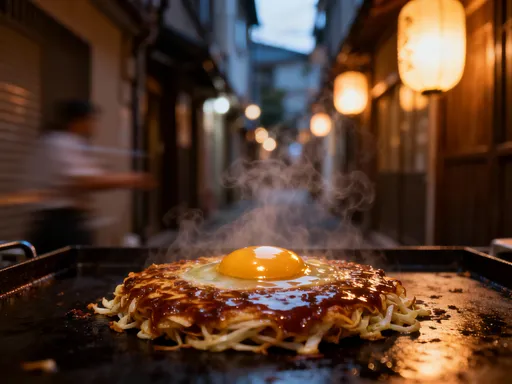
No visit to Hiroshima is complete without tasting its most beloved culinary export: okonomiyaki. Unlike the thick, batter-heavy version found in Osaka, Hiroshima-style okonomiyaki is a layered masterpiece, built with care and precision. The process begins with a thin layer of batter spread across a hot griddle, followed by a mountain of finely shredded cabbage. Then comes the first of many distinctions—thin yakisoba noodles are added, creating a savory base that absorbs the rich flavors to come. A fried egg caps the stack, and the entire creation is flipped with practiced ease, then brushed generously with a sweet-savory sauce, mayonnaise, bonito flakes, and seaweed powder.
Watching an okonomiyaki being made is an experience in itself. In narrow alleyways and cozy storefronts, chefs work behind open counters, their movements swift and deliberate. The sizzle of the grill, the rhythmic chop of cabbage, the flick of the spatula—each gesture is part of a culinary performance passed down through generations. The aroma alone is enough to draw crowds: caramelizing sauce, toasting noodles, and the earthy sweetness of cabbage cooking down into tenderness.
What makes this dish so special is not just its taste, but its role in daily life. For locals, okonomiyaki is comfort food, celebration fare, and family tradition all in one. It’s eaten after school, shared among friends, and served at festivals. Many families have their own preferred shop, a place where the chef knows their name and their preferred level of crispiness. Some restaurants even offer DIY grills, allowing diners to cook their own, turning the meal into an interactive experience.
For the visitor, the best way to enjoy authentic Hiroshima okonomiyaki is to seek out small, family-run establishments, particularly in the downtown area near Hondōri or along the side streets of Nakashima. Shops like Shukkeien-mae or Okonomimura—a multi-level food hall dedicated entirely to the dish—offer a range of styles and flavors, from classic to modern twists like cheese-filled or seafood-topped versions. Each bite delivers a harmony of textures: the crunch of cabbage, the chew of noodles, the silkiness of egg, and the umami punch of sauce and toppings.
More than just a meal, okonomiyaki is a symbol of Hiroshima’s spirit—layered, resilient, and full of flavor. It represents the city’s ability to take simple ingredients and transform them into something extraordinary. To eat it is to participate in a local ritual, one that honors tradition while leaving room for personal taste. After all, the name itself means 'grilled as you like it'—a reminder that in Hiroshima, even food is an expression of individuality and care.
Momiji Manjū: When Sweets Become Souvenirs
If okonomiyaki is the soul of Hiroshima’s savory side, then momiji manjū is its sweet counterpart. These small, maple-leaf-shaped cakes are as iconic as the city’s landmarks, often purchased as gifts for friends and family back home. But they are far more than mere souvenirs—they are delicate confections that embody the Japanese aesthetic of wabi-sabi, where beauty lies in simplicity and imperfection. Each cake is steam-cooked, resulting in a soft, slightly chewy exterior that gives way to a sweet filling, traditionally made from red bean paste.
Today, the variety of fillings has expanded to include matcha, custard, chocolate, and even seasonal flavors like sakura or sweet potato. Yet, despite these modern twists, the process of making momiji manjū remains deeply traditional. In small confectionery shops tucked into quiet neighborhoods, artisans still shape the dough by hand, pressing it into intricately carved wooden molds that imprint the delicate veins of a maple leaf. The cakes are then steamed in bamboo baskets, a method that preserves moisture and enhances their subtle fragrance.
One of the most renowned places to experience this craft is at Nishiki Dōguya, a family-run shop with decades of history. Here, visitors can watch through glass windows as bakers work in rhythm, folding, filling, and molding each cake with quiet focus. The shop offers tastings, allowing guests to compare different fillings and appreciate the balance of sweetness and texture. It’s not uncommon to see elderly women buying dozens at a time, carefully packing them into gift boxes tied with elegant ribbons—a ritual of care and connection.
What makes momiji manjū so special is not just their taste, but their symbolism. The maple leaf, or momiji, is a powerful image in Japanese culture, representing the beauty of change and the passage of time. In Hiroshima, this takes on added meaning—a reminder of resilience, of life continuing after hardship. To give someone a box of momiji manjū is to offer not just a treat, but a piece of the city’s spirit.
For travelers, these sweets are an accessible way to bring a piece of Hiroshima home. They travel well, stay fresh for days, and carry with them the quiet elegance of Japanese craftsmanship. More than just a snack, they are edible art—small, humble, and deeply meaningful. Whether enjoyed fresh from the shop or shared with loved ones far away, momiji manjū connect people through taste, tradition, and memory.
Oysters of the Seto Inland Sea: A Briny Delight
Hiroshima is Japan’s leading producer of oysters, and tasting them here is nothing short of revelatory. Grown in the clean, nutrient-rich waters of the Seto Inland Sea, these bivalves are plump, briny, and bursting with flavor. Depending on the season and preparation, they can be enjoyed raw, grilled, fried, or stewed—each method revealing a different facet of their complex taste. In winter, when the oysters are at their fattest, the air along the coast is filled with the smoky scent of grilling shellfish, drawing both locals and visitors to seaside stalls and restaurants.
The quality of Hiroshima’s oysters is no accident. The Seto Inland Sea’s unique geography—sheltered bays, strong tides, and abundant plankton—creates ideal conditions for cultivation. Farmers use a method called rack culture, suspending oyster shells from metal frames anchored to the seafloor. This allows the oysters to grow in open water, filtering nutrients directly from the current. The result is a shellfish that is not only larger and juicier than many others but also cleaner and safer to eat.
For the traveler, the best way to experience Hiroshima’s oysters is to go straight to the source. A short ferry ride from the mainland to islands like Itsukushima or Innoshima offers access to small, family-run restaurants where the oysters are shucked minutes after harvest. At these seaside eateries, diners can watch as chefs grill oysters over open flames, basting them with soy sauce and mirin, or serve them raw on ice with a squeeze of lemon. Fried oyster sandwiches, a local favorite, combine crisp batter with tender meat, served on soft milk bread with a side of tartar sauce.
Seasonality plays a key role in the oyster experience. From September to April, the oysters are in peak season, with December through February considered the absolute best time for flavor and texture. During these months, local festivals celebrate the harvest, featuring oyster roasts, cooking demonstrations, and tastings. Even in markets like the one near Hiroshima Station, vendors proudly display their daily catch, often offering samples to passersby.
Beyond their taste, Hiroshima’s oysters represent a way of life—one rooted in harmony with nature and generations of knowledge. The farmers who grow them are stewards of the sea, monitoring water quality and rotating harvests to ensure sustainability. For visitors, eating these oysters is not just a culinary pleasure, but a connection to a deeper story of place, tradition, and care. Each bite carries the essence of the Seto Inland Sea, a reminder that the best flavors often come from the most thoughtful cultivation.
Craftsmanship in Motion: From Washi Paper to Pottery
While Hiroshima’s food delights the palate, its crafts speak to the hands and heart. In quiet corners of the region, artisans continue centuries-old traditions, blending precision with artistry to create objects of beauty and function. Two of the most notable crafts are washi papermaking and pottery, both of which offer visitors a chance to slow down and engage with the tactile nature of creation.
In the rural outskirts of Hiroshima, particularly in towns like Higashi-Hiroshima, small studios produce washi paper using methods that have changed little in hundreds of years. The process begins with the cultivation of kōzo, a type of mulberry plant whose long, fibrous bark is ideal for papermaking. After harvesting, the bark is boiled, stripped, and beaten into a pulp, which is then spread onto bamboo screens and dried in the sun. The result is a strong, textured paper that is both delicate and durable—used for calligraphy, lanterns, and even clothing.
What makes washi special is not just its quality, but its connection to place. Each sheet carries the imprint of its maker, the weather, and the water used in its creation. In workshops open to the public, visitors can try their hand at papermaking, feeling the cool pulp between their fingers as they form a sheet from scratch. It’s a meditative process, one that fosters a deep appreciation for the skill and patience required to produce something so simple yet so profound.
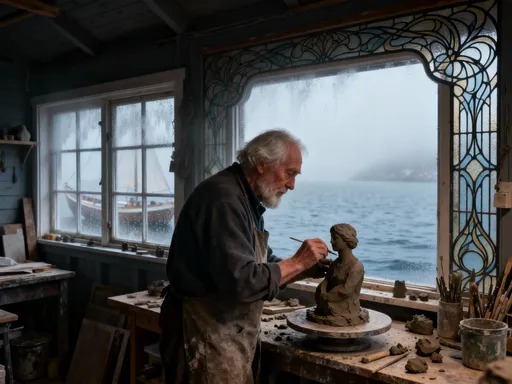
Equally compelling is the pottery tradition in areas like Akiyama, where local kilns produce stoneware known for its earthy tones and organic shapes. Influenced by the mingei, or folk craft, movement, these pieces are valued not for perfection, but for their honesty and warmth. Potters work with local clay, shaping cups, bowls, and vases on the wheel or by hand, then firing them in wood-burning kilns that impart subtle variations in color and texture.
Many studios welcome visitors to observe or even participate in workshops. Watching a potter’s hands guide the spinning clay is mesmerizing—a blend of instinct and technique honed over decades. For those who create their own piece, the experience is deeply personal, a tangible memory of time spent in quiet creativity. These handmade items make meaningful souvenirs, not because they are expensive, but because they carry the essence of the maker and the moment.
Together, washi and pottery reflect a philosophy central to Hiroshima’s culture: that beauty arises from care, continuity, and connection. In a world of mass production, these crafts stand as quiet acts of resistance—reminders that some things are worth doing slowly, by hand, with intention. To engage with them is to touch the soul of the region, to carry home not just an object, but a story.
Local Markets: Where Discovery Happens
If the heart of a city beats in its markets, then Hiroshima’s pulse is strong and steady. From the covered arcades of Hondōri to the early-morning stalls of smaller neighborhood markets, these spaces are where daily life unfolds in full color and sound. Vendors call out specials, baskets overflow with seasonal produce, and the air hums with the energy of exchange. For the traveler, markets are not just places to shop—they are stages for discovery, where the local way of life is on full display.
Hondōri Shopping Arcade, stretching nearly two blocks through the city center, is perhaps the most accessible entry point. Sheltered from rain and sun by a glass roof, it’s lined with shops selling everything from fresh fish and pickled vegetables to handmade snacks and kitchenware. The pace is relaxed, the atmosphere friendly. Unlike sterile malls, Hondōri feels lived-in, with shopkeepers who remember regulars and visitors who linger to chat. It’s common to be offered a sample—a piece of salted saury, a bite of pickled daikon, a warm momiji manjū—invitations to taste and connect.
For a more intimate experience, morning markets held in residential neighborhoods offer a glimpse into everyday Hiroshima. These are not tourist attractions, but functional gatherings where locals stock up on fresh ingredients. Here, you’ll find oysters still glistening with seawater, bundles of wild mountain vegetables, and miso paste aged in wooden barrels. The produce is seasonal and hyper-local, reflecting what the land and sea provide at that moment.
Navigating these markets requires no special skill, but a few simple practices enhance the experience. Going early ensures the best selection and a chance to see the markets at their most vibrant. Carrying a small bag and some cash—many vendors don’t accept cards—makes shopping easier. Most importantly, approaching with respect and curiosity opens doors. A simple ‘konnichiwa’ and a smile go a long way. While language may be a barrier, gestures of appreciation—pointing, nodding, accepting a sample with both hands—are universally understood.
Markets are also where food stories begin. The woman selling handmade tsukemono (pickles) might explain how her recipe has been in the family for three generations. The fishmonger might show how to select the freshest oyster. These moments of connection turn a simple purchase into a shared experience, transforming ingredients into memories. For the traveler, this is the essence of authentic engagement—not observing from a distance, but participating in the rhythm of life.
Putting It All Together: How to Experience Hiroshima Like a Local
Experiencing Hiroshima fully means weaving together its many threads—history, food, craft, and community—into a journey that feels personal and meaningful. There is no single itinerary that captures it all, but a flexible, mindful approach allows space for both structure and spontaneity. Begin with reflection at the Peace Memorial Park, allowing time to absorb its message. Then, shift gears: step into the flow of daily life, where discovery happens not in grand gestures, but in quiet moments—a shared meal, a handmade cup, a conversation with a vendor.
A suggested day might start with breakfast at a local café serving Hiroshima-style okonomiyaki, followed by a walk through Hondōri Market to sample fresh produce and pick up ingredients for a picnic. In the afternoon, visit a washi paper studio or pottery workshop, taking part in a hands-on experience that connects you to tradition. As evening falls, head to a small oyster bar near the water, where you can watch the sunset while grilling your own shellfish over a tabletop flame.
The key to this kind of travel is slowing down. Resist the urge to check off attractions. Instead, follow your senses—let the smell of grilled food lead you to a hidden stall, let the sound of laughter draw you into a neighborhood festival. Talk to people when you can, even with limited language. Many locals appreciate the effort, and simple exchanges often lead to unexpected invitations or recommendations.
Most importantly, allow room for the unplanned. Some of the best moments in Hiroshima happen off the map: a grandmother offering a taste of her homemade sweets, a fisherman explaining how he harvests oysters, a potter sharing the story behind a cracked but cherished bowl. These are not experiences you can book—they emerge from presence, openness, and respect.
In the end, Hiroshima is not a city to be consumed, but to be experienced. Its flavors, textures, and rhythms invite deeper engagement, rewarding those who take the time to look beyond the surface. To travel here is not just to see a place, but to feel it—to carry its quiet strength, its warmth, and its beauty long after you’ve returned home. True discovery isn’t about ticking boxes. It’s about savoring the unexpected, one authentic moment at a time.