You Won’t Believe What I Found in Eilat’s Art Scene
When I first thought of Eilat, I pictured beaches and coral reefs — not galleries or street art. But digging deeper, I discovered a quietly thriving art scene hiding in plain sight. From unexpected murals to intimate studios, creativity is alive here. The city’s unique position at the southern tip of Israel, where the Negev Desert meets the Red Sea, has long drawn visitors for its natural beauty and diving opportunities. Yet beneath the surface of this resort town lies a growing cultural heartbeat — one shaped by local vision, resilience, and a deep connection to place. Still, not every art space lives up to the hype. Some fall flat due to poor curation or tourist traps. This is a real talk about what’s worth your time — and what to skip.
First Impressions: Eilat Beyond the Beaches
Eilat is often reduced to a postcard image: turquoise waters, sunbathers on white sand, and rows of hotels lining the coast. For decades, it has been marketed primarily as a vacation escape, a place to unwind rather than engage. Travel brochures emphasize snorkeling, water sports, and luxury spas, rarely mentioning anything about cultural offerings. As a result, many visitors arrive with no expectation of encountering art beyond souvenir shops selling mass-produced seashell frames or generic desert landscapes painted with little originality.
Yet, just a short walk from the bustling marina, something different begins to emerge. Near the northern end of the Corniche, a coastal promenade popular with joggers and families, large metal sculptures rise from the sand — abstract forms that mimic waves, camels, and ancient petroglyphs. These public installations, though modest in number, signal a shift. They suggest that Eilat is beginning to embrace its identity not only as a leisure destination but as a place where creativity can take root.
The city’s geography plays a crucial role in shaping its artistic character. The stark contrast between the arid desert and the vibrant marine world creates a powerful visual tension. Artists here are inspired by the way sunlight reflects off red sandstone cliffs in the morning and how coral glows under moonlight. This duality — dryness and abundance, silence and movement — appears repeatedly in local works, whether in paintings, textiles, or mixed media. It’s a theme that resonates deeply with those who spend time observing the landscape closely.
What makes Eilat’s art scene particularly compelling is the gap between perception and reality. Most tourists don’t come looking for galleries, which means those who do stumble upon them often feel like they’ve discovered a secret. There’s a quiet pride among local artists who work outside the spotlight, creating not for fame but because the environment demands expression. While the city still leans heavily on tourism, there’s a growing awareness that culture can enhance the visitor experience — and give residents a stronger sense of identity.
The Rise of Urban Art: Street Murals and Public Installations
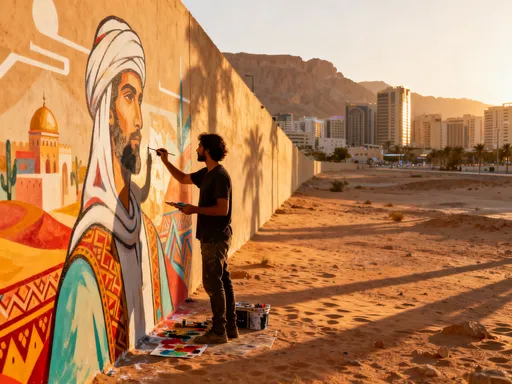
In recent years, Eilat has begun investing in urban art as a way to revitalize certain neighborhoods and celebrate its heritage. One of the most visible transformations has taken place in the Almog and Ilan districts, residential areas that were once overlooked but are now home to an expanding collection of street murals. These works range from large-scale depictions of desert flora and fauna to imaginative interpretations of Bedouin storytelling traditions. What was once a stretch of plain concrete walls is slowly becoming an open-air gallery.
The city government, in collaboration with cultural nonprofits, has supported several mural projects aimed at blending aesthetic appeal with environmental awareness. For instance, a prominent piece near the Ilan Junction portrays a Nubian ibex — a protected species native to the region — emerging from a gradient of desert hues into a burst of coral and blue. The transition symbolizes the connection between land and sea, a recurring motif in Eilat’s evolving visual language. Other murals incorporate geometric patterns inspired by traditional Bedouin weaving, subtly honoring the indigenous presence in the area.
Walking through these neighborhoods, one can’t help but notice how the colors of the art echo the natural surroundings. Earthy reds, sandy beiges, and deep indigos dominate, creating a sense of harmony rather than disruption. Unlike some cities where street art feels imposed, Eilat’s murals often appear as if they’ve grown organically from the environment. This integration enhances their impact, making them feel less like decorations and more like statements about place and belonging.
However, the quality and maintenance of these works vary significantly. In some areas, murals are well-preserved and professionally executed, with clear narratives and skilled technique. In others, especially along less-trafficked streets, paint has peeled, images have faded, or amateur efforts lack coherence. This inconsistency reflects a broader challenge: while the initiative is promising, long-term stewardship remains uneven. Without regular upkeep and thoughtful curation, even the most powerful artwork risks being diminished by neglect.
Hidden Studios: Where Creativity Happens Off the Radar
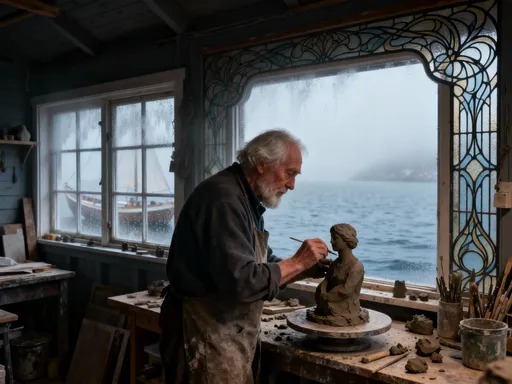
Beyond the public eye, tucked away in industrial zones and repurposed warehouses, Eilat’s true artistic pulse beats strongest. These are the working studios of painters, ceramicists, metalworkers, and textile artists — spaces untouched by commercial pressures, where creation happens slowly and deliberately. Unlike galleries designed for foot traffic, these studios are intimate, often cluttered with tools, half-finished pieces, and shelves of pigments and clay. Visiting one feels less like touring a museum and more like stepping into the mind of the artist.
One such studio, located near the old industrial park off Highway 90, belongs to a ceramicist who uses local desert sand in her glazes. The resulting pieces — bowls, vases, wall tiles — carry the subtle shimmer of crushed minerals, capturing the way light dances across dunes at dawn. She works alone, shaping each item by hand, and only opens her door by appointment. Her reluctance to advertise widely isn’t out of secrecy, but a desire to maintain authenticity. She sells primarily through word-of-mouth and occasional pop-up events, valuing connection over volume.
Another studio, shared by two painters, occupies a converted storage unit in the Almog area. Their large canvases depict surreal seascapes — underwater forests with floating stones, fish with human eyes, sunken cities reclaimed by coral. The imagery is dreamlike, yet grounded in real ecological concerns. One artist explains that her work responds to coral bleaching and rising sea temperatures, issues that threaten the very ecosystem that draws tourists to Eilat. Her paintings don’t preach, but they invite reflection.
What unites these hidden spaces is their authenticity. There’s no pressure to produce souvenir-sized paintings or迎合 tourist tastes. Artists here experiment, reflect, and often struggle — not just creatively, but financially. Many hold day jobs or rely on sporadic grants. Access is limited; signs are rare, and some studios aren’t listed online. This makes discovery part of the experience, but also a barrier for curious visitors. A more organized system — such as a self-guided studio trail or seasonal open-house days — could help bridge the gap between artists and the public without compromising the integrity of these spaces.
Galleries That Deliver — and Those That Don’t
Eilat’s formal gallery scene is still in development, with a mix of established institutions and pop-up spaces that come and go with the tourist season. Among the most consistent is the Eilat Contemporary Art Space, located in a renovated building near the city center. This nonprofit-run venue hosts rotating exhibitions that often feature regional artists exploring themes of identity, environment, and memory. Recent shows have included photographic essays on desert migration patterns, abstract installations using recycled marine debris, and mixed-media works inspired by ancient trade routes.
What sets this gallery apart is its curatorial rigor. Exhibits are thoughtfully arranged, with informative placards and occasional artist talks. The space doesn’t shy away from complexity — one exhibition focused on water scarcity in the Arava Valley, using soundscapes and layered textiles to evoke both absence and longing. Visitors who take the time to engage leave with a deeper understanding of the region’s challenges and beauty.
Yet, not all galleries in Eilat uphold this standard. Along the main shopping streets, particularly near tourist hotels, numerous small shops label themselves as “art galleries” but function more like souvenir outlets. Their walls are filled with generic seascapes, mass-printed photographs, and identical ceramic dolphins. Prices are often inflated, and staff may lack knowledge about the artists or techniques behind the pieces. These spaces capitalize on the idea of art without delivering its substance, offering decoration rather than dialogue.
For travelers seeking meaningful experiences, discernment is key. Checking exhibition schedules online before visiting can save time and disappointment. The Eilat Cultural Center occasionally hosts temporary art displays, and local cafes sometimes partner with artists to showcase rotating works. These informal settings, while less formal, often provide a more genuine glimpse into the local scene. Ultimately, the most rewarding visits are those that go beyond aesthetics to engage with the stories behind the art.
Art Markets and Festivals: Timing Is Everything
One of the best ways to experience Eilat’s creative energy is through its seasonal art markets and festivals. The most notable of these is the annual Red Sea Art Festival, typically held in the cooler months between November and March. Over several weekends, the city’s central plaza and marina area transform into a lively hub of artistic activity. Dozens of local makers set up booths selling handmade jewelry, textiles, pottery, and paintings. Live music, food stalls, and interactive workshops add to the festive atmosphere, drawing both tourists and residents.
During these events, the usual boundaries between artist and audience blur. Visitors can watch a silversmith shaping a pendant, ask a painter about her technique, or try their hand at block printing with a local textile artist. Children participate in sand art stations, while elders browse hand-embroidered tablecloths featuring Bedouin motifs. The festival creates a rare moment of cultural exchange, where art feels accessible and alive.
However, the popularity of these events also brings drawbacks. Crowds can be overwhelming, especially on weekends, making it difficult to have meaningful conversations with artists. Parking becomes scarce, and some vendors take advantage of the influx by charging premium prices for items of questionable originality. A closer look reveals that not all sellers are local — a few bring in imported goods disguised as handmade crafts, undermining the authenticity of the market.
For a more rewarding experience, arriving early in the morning is highly recommended. The air is cooler, the light is soft, and the stalls are less crowded. Artists are more relaxed and willing to share their process. Purchasing directly from them ensures that support goes to the creator, not a middleman. Additionally, smaller weekend craft markets in neighborhood parks offer a quieter alternative, though they vary in quality from week to week. Timing, in this case, truly makes all the difference.
Challenges Facing Eilat’s Art Community
Despite growing interest, Eilat’s art community faces structural obstacles that limit its full potential. One of the most pressing issues is the lack of sustained funding. Unlike larger cities with dedicated arts councils or municipal budgets for culture, Eilat allocates minimal resources to the arts. Most projects depend on short-term grants, private donations, or volunteer efforts. This instability makes long-term planning difficult and discourages emerging artists from staying in the city.
Another challenge is audience size. Because Eilat’s population is relatively small and highly seasonal, the local base of art enthusiasts remains limited. Many residents are transient — employed in tourism or hospitality — and don’t form lasting connections to cultural initiatives. As a result, galleries and studios often rely on tourists for visibility, which pushes some toward commercialization at the expense of artistic risk-taking.
Still, grassroots efforts are making a difference. Artist collectives have begun organizing free workshops for children and adults, teaching skills like pottery, printmaking, and natural dyeing. These programs not only nurture talent but also build community. Schools have started inviting local artists to lead creative projects, helping young people see art as a viable form of expression. While these steps are small, they represent a shift toward sustainability — one that values participation over spectacle.
The gap between artistic potential and institutional support remains wide. Eilat has the ingredients for a vibrant cultural scene: a unique environment, passionate creators, and increasing visitor interest. What’s missing is a coordinated strategy — one that includes permanent exhibition spaces, artist residencies, and better integration of art into public life. Without such support, the city risks losing its most innovative voices to larger centers like Tel Aviv or Jerusalem.
How to Experience Eilat’s Art Scene the Right Way
For visitors eager to explore Eilat’s art scene beyond the surface, a thoughtful approach makes all the difference. Start by researching ahead of time: check the websites of the Eilat Cultural Center and local galleries for current exhibitions. Follow regional artists on social media to learn about studio openings or pop-up events. Some cafes and boutique hotels display works by local creators — striking up a conversation with staff can lead to unexpected discoveries.
Plan your visit during the shoulder season — between October and April — when the weather is pleasant and cultural events are more frequent. Mornings are ideal for art walks, as the light enhances colors and the streets are quieter. Begin at the northern end of the Corniche to see public sculptures, then head inland to the Almog and Ilan neighborhoods to view murals. Carry a simple map or use a local guide app to navigate, as signage for lesser-known sites is often minimal.
When visiting studios or small galleries, always ask permission before photographing artwork. Many artists appreciate interest but prefer to control how their work is shared. If you admire a piece, consider purchasing it directly — even a small item supports the creative economy more than any souvenir from a chain store. Engage respectfully: ask about materials, inspiration, and process. These conversations often reveal layers of meaning that enrich the experience.
Finally, remember that Eilat’s art scene is not about perfection. It’s about resilience, adaptation, and the quiet persistence of creativity in a place defined by leisure. The murals may fade, the studios may be hard to find, and some galleries may disappoint. But in the authentic moments — a hand-thrown bowl glazed with desert sand, a mural honoring an endangered ibex, a painter describing her vision beneath a desert sky — you glimpse the soul of the city. It’s not polished, but it’s real. And sometimes, that’s exactly what makes a journey unforgettable.