This Is Why Tasmania’s Public Spaces Are Pure Instagram Magic
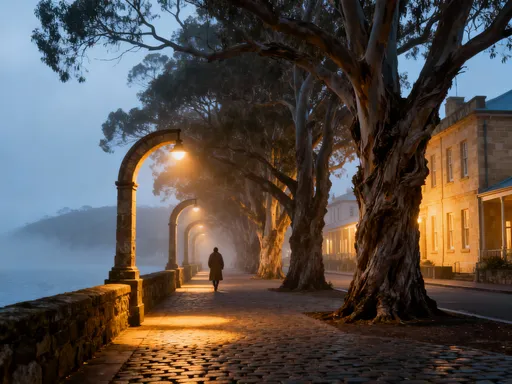
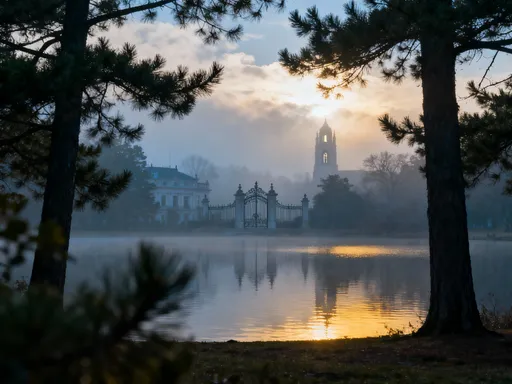
You know that feeling when a place just wows you? Tasmania did that to me—completely unexpectedly. From fog-draped parks to art-filled city squares, its public spaces aren’t just pretty, they’re alive with character. I went for the nature, stayed for the vibes, and came home with a camera roll that won’t quit. If you’re chasing beauty that’s real, raw, and ridiculously photogenic, let me take you through the heart of Tasmania’s most Instagram-worthy spots—where every corner tells a story. These are not staged sets or filtered illusions, but thoughtfully designed, deeply rooted spaces where architecture, art, and nature coexist in harmony. Tasmania invites you not just to look, but to feel—and to capture moments that linger long after the trip ends.
First Impressions: Stepping Into Tasmania’s Open-Air Gallery
Arriving in Hobart or Launceston, one is immediately struck by the quiet elegance of Tasmania’s public spaces. Unlike larger cities where urban development often overshadows nature, Tasmania’s towns embrace a design philosophy that places greenery, light, and heritage at the forefront. Tree-lined avenues like Brisbane Street in Hobart or St John Street in Launceston offer shaded promenades where morning walkers, cyclists, and coffee carriers coexist in peaceful rhythm. The architecture—often built from local sandstone and timber—ages gracefully, its warm hues glowing under the soft southern light.
Waterfronts are central to the island’s urban charm. In Hobart, the docks along Sullivans Cove reflect the city’s maritime soul. The gentle lapping of waves against wooden pilings, the creak of moored yachts, and the distant call of gulls create a soundscape that enhances the visual serenity. Morning light casts long shadows across the stone facades of 19th-century warehouses, their restored windows now housing artisan bakeries and independent bookshops. This blend of function and beauty transforms even a simple stroll into a sensory experience.
Launceston’s Cataract Gorge Reserve, though technically just outside the central business district, is so accessible that it feels like an extension of the city itself. A ten-minute walk from the town center leads to dramatic cliffs, fern-covered gullies, and the tranquil waters of the South Esk River. The city’s commitment to preserving and enhancing public access to such spaces speaks volumes about its values. Here, nature isn’t something you travel hours to see—it’s part of daily life, seamlessly woven into the urban fabric.
What sets these first impressions apart is their authenticity. There are no artificial attractions or overly manicured plazas meant solely for tourists. Instead, Tasmania’s public spaces are designed for people—locals and visitors alike—to gather, reflect, and reconnect. This human-centered approach results in environments that feel lived-in, warm, and deeply inviting. Whether it’s a bench overlooking the Derwent River or a community garden tucked behind a heritage building, each space tells a quiet story of care, continuity, and connection.
Hobart’s Hidden Gems: Where Culture Meets Public Life
No visit to Hobart is complete without spending time in Salamanca Place, a cobblestone strip that embodies the city’s cultural heartbeat. Lined with 1830s sandstone warehouses originally built for whaling and trade, this precinct has been thoughtfully repurposed into a vibrant hub of galleries, craft stores, and intimate cafes. The buildings themselves are photogenic—their thick walls and arched doorways glowing amber in the late afternoon sun. But it’s the life that unfolds in front of them that truly captivates.
On Saturdays, Salamanca Market transforms the entire area into a bustling open-air festival. Over 300 stalls spring up along the street, offering handmade jewelry, Tasmanian honey, wood carvings, and organic textiles. Street musicians play everything from folk ballads to jazz, while the scent of freshly baked pies and spiced chai fills the air. It’s not just a market; it’s a weekly community ritual, a place where locals meet friends, tourists strike up conversations, and artists showcase their work in the most democratic way possible—face-to-face.
For photographers, Salamanca offers endless compositional opportunities. The contrast between ancient stone and colorful market awnings creates dynamic visuals. The iconic red crane at Constitution Dock, a relic from Hobart’s industrial past, stands as a dramatic backdrop against the ever-changing waters of the harbor. Framing a portrait with the crane in the distance or capturing a candid moment between a vendor and a customer adds narrative depth to any image.
But beyond the visuals, what makes Salamanca special is its authenticity. Unlike commercialized markets in other tourist destinations, this one retains a grassroots spirit. Vendors are often the makers themselves, and many have been part of the market for decades. The city supports this continuity through careful planning—limiting chain stores, preserving pedestrian access, and ensuring that development enhances rather than overwhelms the area’s character. It’s a model of how public spaces can nurture culture without sacrificing charm.
The Royal Tasmanian Botanical Gardens: Nature as Public Art
Nestled along the banks of the Derwent River, the Royal Tasmanian Botanical Gardens is one of Australia’s oldest and most cherished green spaces. Established in 1818, it has evolved into a living museum of plant life, blending historical preservation with ecological innovation. Covering 14 hectares, the gardens offer a curated journey through diverse landscapes—from formal rose gardens to wild fern gullies and climate-specific conservatories.
One of the most photographed areas is the Japanese Garden, a serene oasis gifted by Tasmania’s sister city, Kure, in Japan. Designed according to traditional principles of balance and harmony, it features a koi pond, stone lanterns, a wooden bridge, and carefully pruned pines. The garden is especially stunning in autumn when the maple leaves turn crimson and gold, their reflections shimmering in the still water. Early morning visits offer the best light and the chance to capture mist rising off the pond, creating an ethereal, almost painterly effect.
Another highlight is the Subantarctic Plant House, a climate-controlled dome that replicates the harsh conditions of islands south of Tasmania. Inside, visitors encounter rare cushion plants, mosses, and ferns that grow in some of the most remote places on Earth. The contrast between the glass structure and the rugged flora within makes for striking architectural and botanical photography. Interpretive signage explains the ecological significance of these plants, turning a visual experience into an educational one.
Seasonal displays ensure that the gardens remain captivating year-round. In spring, the tulip beds explode in color, drawing families and photographers alike. Summer brings lavender fields and open-air concerts on the lawn. Winter sees the camellia collection in full bloom, their waxy petals glowing in the pale sunlight. The gardens also host guided walks, photography workshops, and wellness sessions, reinforcing their role as a dynamic public space.
For those seeking quiet moments, there are countless hidden benches beneath old elm trees, winding gravel paths through fragrant rose arbors, and quiet corners beside the riverbank. These spaces invite stillness, making the gardens not just a place to see, but a place to be. The thoughtful integration of heritage, science, and beauty ensures that every visit feels both enriching and rejuvenating.
Urban Art in Launceston: Murals That Speak Volumes
Launceston has quietly become a canvas for some of Australia’s most compelling street art. Unlike graffiti that feels random or disruptive, the city’s murals are part of a deliberate effort to celebrate identity, history, and place. Commissioned through public art programs and community collaborations, these large-scale works transform underutilized walls, laneways, and underpasses into open-air galleries.
One of the most iconic pieces is the ‘Tiger Snake’ mural on the side of a building in George Street. Stretching several stories high, it depicts a detailed portrait of a tiger snake intertwined with native flora. The artwork pays homage to Tasmania’s unique wildlife while also acknowledging the deep respect Indigenous communities have for the natural world. Other murals portray palawa (Aboriginal Tasmanian) elders, historical scenes from the city’s industrial past, and abstract representations of the Tamar Valley’s changing seasons.
Walking through these art-filled corridors feels like turning the pages of a living storybook. In the Pivnich Lane project, a once-neglected alleyway was revitalized with colorful murals created by local and visiting artists. The space now buzzes with foot traffic, often serving as a backdrop for social media photos, impromptu dance performances, and community events. The city’s support for such initiatives reflects a broader philosophy: that public art should be accessible, meaningful, and inclusive.
What sets Launceston’s approach apart is its emphasis on storytelling. These murals are not just decorative—they educate, commemorate, and inspire. Some include QR codes linking to audio narratives in both English and palawa kani, the revived language of Tasmania’s First Nations people. This integration of technology and tradition allows visitors to engage more deeply with the art and its context.
For photographers, the murals offer bold compositions, vibrant contrasts, and cultural depth. Shooting at golden hour enhances the colors, while wide-angle lenses capture the full scale of the pieces. But beyond the technical aspects, these artworks encourage a slower, more reflective way of seeing. They invite questions: Who created this? What story are they telling? How does this relate to the place around me? In doing so, they transform a simple photo stop into a moment of connection.
Cataract Gorge: Wild Beauty in the City’s Backyard
Few cities in the world can claim a natural wonder as breathtaking as Cataract Gorge, located just a short walk from Launceston’s central plaza. Carved by the South Esk River over millions of years, this dramatic ravine features towering sandstone cliffs, cascading waterfalls, and lush temperate rainforest. Yet, what makes it truly remarkable is how seamlessly human design integrates with the landscape.
The suspension bridge, suspended high above the river, offers panoramic views of the gorge’s depth and scale. On quiet mornings, mist clings to the treetops, and the only sounds are the rush of water and the call of native birds. The Alexandra Battery, a series of stone terraces and gardens built into the cliffside in the 1890s, provides a series of picturesque vantage points. Stone staircases wind through fern-lined paths, connecting different levels of the reserve and guiding visitors through a carefully choreographed journey.
One of the most photographed spots is the circular chairlift that glides across the gorge, offering a bird’s-eye perspective of the entire landscape. Riding it at sunrise, when the first light hits the cliffs, feels like stepping into a dream. The descent on the other side leads to the Lower Gardens, where manicured lawns, a peacock enclosure, and a historic kiosk create a peaceful retreat. The contrast between wild nature and cultivated beauty is striking, yet harmonious.
Visitors can choose their pace—whether it’s a vigorous hike up the cliff path, a leisurely picnic by the river, or simply sitting on a bench with a book. The reserve is popular, but its size and thoughtful layout help disperse crowds. Early mornings and weekdays offer the most solitude. Photography here benefits from natural framing—tree branches arching over the path, reflections in still pools, or the interplay of light and shadow on the rock face.
Cataract Gorge is more than a scenic attraction; it’s a testament to long-term stewardship. Managed by the Launceston City Council since the late 19th century, it has been preserved with minimal intrusion. Trails are made of compacted gravel, signage is discreet, and structures blend into the environment. This respect for nature ensures that the gorge remains a sanctuary—for people, plants, and animals alike.
Design With a Soul: How Tasmania Balances Aesthetics and Authenticity
What makes Tasmania’s public spaces so consistently captivating is not just their beauty, but their integrity. Unlike destinations that prioritize spectacle over substance, Tasmania’s cities invest in design that serves people, respects history, and honors the environment. This philosophy is evident in small details: benches made from reclaimed timber, bike racks shaped like native birds, and trash bins painted with local flora.
Urban planning in Tasmania emphasizes walkability, green corridors, and mixed-use development. In Hobart, the revitalization of the waterfront included restoring public access to the foreshore, creating open lawns, and preserving heritage buildings rather than replacing them. In Launceston, the City Park Master Plan focused on enhancing biodiversity, improving accessibility, and integrating art and storytelling into the landscape. These decisions reflect a long-term vision, not short-term tourism gains.
Community involvement is central to this process. Public consultations, artist residencies, and volunteer gardening programs ensure that spaces are shaped by those who use them. This participatory approach fosters a sense of ownership and pride. When people feel connected to a place, they care for it—keeping it clean, respecting its rules, and passing on its stories.
Sustainability is another cornerstone. Solar-powered lighting, rainwater harvesting systems, and native plantings reduce environmental impact while enhancing resilience. Interpretive signs often include information about local ecology, Indigenous history, and conservation efforts, turning passive observation into active learning. Even something as simple as a trash can labeled in palawa kani reinforces cultural continuity and respect.
These choices add depth to the visual experience. A photograph of a garden bench is no longer just a composition—it becomes a symbol of thoughtful design, environmental care, and community values. This layering of meaning is what elevates Tasmania’s public spaces from merely photogenic to profoundly meaningful.
Chasing Light, Not Likes: A Mindful Approach to Instagram-Worthy Travel
In an age where travel is often measured by likes and follower counts, Tasmania offers a refreshing alternative. Its public spaces invite you to slow down, to look closely, to listen. Yes, they are incredibly photogenic—but their true value lies in the way they make you feel: calm, connected, present.
When you sit on a bench in the Botanical Gardens and watch sunlight filter through the leaves, you’re not just capturing a moment—you’re experiencing it. When you pause in front of a mural in Launceston and read the story behind it, you’re not just observing art—you’re engaging with culture. These are the moments that stay with you long after the photos fade from your feed.
Instagram can be a powerful tool for sharing beauty and inspiring travel, but it shouldn’t be the sole purpose of a journey. Tasmania teaches us that the most rewarding experiences come from immersion, not extraction. Put the camera down sometimes. Breathe in the crisp mountain air. Talk to a local vendor at Salamanca Market. Let the sound of the river in Cataract Gorge wash over you.
And when you do take a photo, do it with intention. Frame not just the scene, but the feeling. Capture the way the light hits the sandstone, the quiet pride in a gardener’s hands, the joy of a child chasing a peacock in the Lower Gardens. These are the images that tell a fuller story—one of place, people, and presence.
Tasmania’s public spaces are not just backdrops for photos. They are living, breathing expressions of community, history, and care. They remind us that beauty doesn’t have to be loud or flashy to be powerful. Sometimes, the most magical moments are the quiet ones—the fog lifting over the river, the rustle of a wallaby in the ferns, the shared smile with a stranger on a park bench.
So if you’re planning your next trip, consider going beyond the filters. Seek out places where design serves people, where nature is honored, and where every detail tells a story. Visit Tasmania not to collect likes, but to collect moments. Because in the end, it’s not the number of photos you take that matters—it’s the depth of the experience behind them.