Wild Beauty You Never Knew Existed
Have you ever stumbled upon a place so untouched it feels like nature’s best-kept secret? I recently explored the protected wilderness around Kazan, Russia, and was blown away by its raw, unspoiled charm. From misty forests to serene wetlands, these hidden natural sanctuaries offer more than just fresh air—they promise real escape. This isn’t just another city getaway; it’s a journey into the wild soul of Tatarstan. Nestled along the Volga River, Kazan is celebrated for its golden-domed mosques, historic Kremlin, and vibrant cultural scene. But just beyond the city’s edge lies a quieter, wilder world—one that remains largely unseen by international travelers. These protected natural zones are not only ecological treasures but also sanctuaries for the soul, offering peace, beauty, and a rare chance to walk where few have stepped. This article invites you to discover the wild side of Tatarstan, where conservation and quiet adventure go hand in hand.
Discovering Kazan’s Natural Side
Kazan is often celebrated for its rich history, architectural grandeur, and cultural festivals. As the capital of the Republic of Tatarstan, it stands as a symbol of harmony between Eastern and Western traditions, where minarets rise beside Orthodox spires and ancient legends echo through cobbled streets. Yet, beyond the urban energy and cultural landmarks, a different kind of wonder awaits—one shaped not by human hands but by centuries of natural evolution. Just a short distance from the city center, protected forests, riverbanks, and wetlands stretch across the landscape, forming a green belt that cradles Kazan in quiet wilderness.
These natural areas, though less celebrated than the city’s monuments, are no less significant. The Volga-Kama Nature Reserve, established in 1960, lies only about 30 kilometers from Kazan and serves as one of Russia’s most important ecological zones. Similarly, the Kazanka River floodplains, winding through lowland meadows and forest patches, offer a network of protected habitats that support a surprising variety of plant and animal life. Unlike typical tourist attractions, these spaces are preserved for conservation, scientific study, and sustainable public enjoyment. They represent a growing recognition that even in the 21st century, cities need wild spaces—not just for biodiversity, but for the well-being of their residents.
What makes Kazan unique is its ability to offer both urban vibrancy and immediate access to pristine nature. In many global cities, escaping to the wilderness means hours of travel, but here, a short drive or even a bike ride can bring you to the edge of a protected forest where the only sounds are rustling leaves and distant bird calls. This rare proximity allows families, nature lovers, and weekend explorers to experience true immersion in nature without the need for extensive planning or long journeys. It also reflects a deeper cultural value—one that honors the natural world as an essential part of daily life, not merely a distant destination.
Why Protected Areas Matter Today
In an era of rapid urbanization and climate change, protected natural areas play a crucial role in maintaining ecological balance. These zones act as carbon sinks, help regulate local climates, and preserve water quality by filtering runoff before it reaches rivers and lakes. Around Kazan, the network of protected lands serves as a living shield against environmental degradation, ensuring that native species and natural processes continue to thrive despite surrounding development. More than just scenic backdrops, these areas are functional ecosystems that support life in ways both visible and unseen.
One of the most vital functions of protected zones is the preservation of biodiversity. In the Volga-Kama Reserve alone, over 200 species of birds have been recorded, including rare and endangered ones like the black stork and the lesser spotted eagle. Mammals such as the Eurasian otter, European mink, and roe deer find refuge in these forests and wetlands, where hunting and habitat destruction are strictly controlled. Plant diversity is equally impressive, with more than 600 species documented, including several that are listed in Russia’s Red Data Book of endangered plants. These species rely on undisturbed habitats to survive, and the legal protection of these areas ensures their long-term survival.
Beyond their ecological importance, protected areas also serve as outdoor classrooms and research laboratories. Local universities and environmental organizations regularly conduct field studies in these zones, monitoring species populations, tracking climate impacts, and testing conservation strategies. Students from Kazan Federal University, for example, participate in annual bird counts and vegetation surveys, contributing valuable data to national environmental databases. These efforts not only advance scientific understanding but also foster a sense of stewardship among younger generations, teaching them that nature is not just a resource to be used, but a legacy to be protected.
For residents and visitors alike, these natural sanctuaries offer essential mental and physical health benefits. Studies have consistently shown that spending time in nature reduces stress, improves mood, and enhances cognitive function. In a world increasingly dominated by screens and schedules, the quiet forests and open meadows around Kazan provide a rare opportunity to slow down, breathe deeply, and reconnect with the rhythms of the natural world. This combination of ecological, educational, and emotional value underscores why protected areas are not luxuries—they are necessities for sustainable living.
Volga-Kama Reserve: A Glimpse Into the Wild
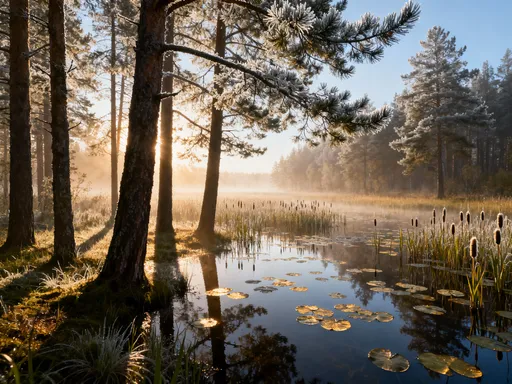
Spanning over 26,000 hectares at the confluence of the Volga and Kama Rivers, the Volga-Kama Nature Reserve stands as one of Russia’s oldest and most significant protected areas. Established during the Soviet era with a focus on scientific preservation, it has remained largely untouched by commercial development, allowing natural processes to unfold with minimal human interference. The reserve’s diverse terrain includes pine and deciduous forests, floodplain meadows, rocky outcrops, and oxbow lakes—each supporting unique communities of plants and animals. This rich mosaic of habitats makes it a prime destination for ecotourism, scientific research, and environmental education.
Visitors to the reserve can explore a network of designated eco-trails that wind through different ecological zones. These trails are carefully designed to minimize impact on the environment while maximizing opportunities for observation and learning. Along the way, informational signs describe the local flora and fauna, explain geological formations, and highlight ongoing conservation efforts. Observation towers provide elevated views of wetlands and river channels, offering excellent vantage points for birdwatching. During spring and autumn migrations, the skies come alive with flocks of ducks, geese, and wading birds, making it a favorite season for photographers and nature enthusiasts.
Access to the reserve is regulated to ensure the protection of sensitive ecosystems. Visitors are required to obtain permits in advance, which can be arranged through the reserve’s official visitor center or authorized tour operators. Guided tours are highly recommended, especially for first-time visitors, as local guides provide valuable insights into the area’s ecology, history, and conservation challenges. These tours often include stops at reforestation sites, where visitors can learn about efforts to restore native tree species and combat soil erosion. Some programs even allow participants to plant saplings, offering a hands-on way to contribute to long-term environmental health.
The reserve also plays a key role in regional conservation policy. As a federally protected area, it operates under strict environmental regulations that limit construction, prohibit hunting and fishing, and control visitor numbers. These measures have allowed wildlife populations to stabilize and, in some cases, grow. Ongoing monitoring programs track changes in species distribution, water quality, and forest health, providing data that informs broader environmental strategies across Tatarstan. By combining protection with education and public engagement, the Volga-Kama Reserve exemplifies how conservation can be both effective and inclusive.
Off-the-Beaten-Path Wetlands and Forests
While the Volga-Kama Reserve is the most well-known protected area near Kazan, several lesser-known sites offer equally rewarding experiences for those willing to explore beyond the main attractions. The Kazanka River floodplains, stretching along the southern edge of the city, form a complex network of marshes, meadows, and willow thickets that serve as a critical habitat for waterfowl, amphibians, and migratory birds. Though not as formally developed as the larger reserve, this area is protected under regional environmental laws and managed to prevent drainage, pollution, and unauthorized development.
Similarly, the banks of the Sviyaga River, located about 40 kilometers northeast of Kazan, offer quiet trails, open woodlands, and scenic river views. This area is particularly popular among local hikers and birdwatchers, who come to observe species like the great crested grebe, Eurasian bittern, and various warblers. Unlike crowded national parks, these sites remain relatively undisturbed, allowing visitors to experience a sense of solitude and immersion in nature. However, their informal status means that infrastructure is limited—there are few signs, no visitor centers, and minimal facilities—making preparation and responsible behavior all the more important.
Exploring these off-the-beaten-path areas requires a commitment to low-impact travel. Visitors should stick to existing paths to avoid damaging fragile vegetation, carry out all waste, and avoid disturbing wildlife. Wearing neutral-colored clothing and moving quietly increases the chances of observing animals in their natural behaviors. Binoculars, field guides, and a camera with a zoom lens are useful tools for birdwatching and nature photography. Because weather conditions can change quickly, especially near wetlands, it’s wise to bring waterproof footwear, layered clothing, and insect repellent during warmer months.
For those seeking accurate and up-to-date information, the Ministry of Ecology of the Republic of Tatarstan provides online resources detailing protected zones, access restrictions, and seasonal advisories. Local environmental NGOs also offer guided walks and educational programs, helping visitors understand the ecological significance of these areas while promoting responsible stewardship. By choosing to visit these quieter sites with care and respect, travelers can enjoy a deeper connection to nature while supporting long-term conservation goals.
How to Plan Your Nature Escape
Visiting the protected natural areas around Kazan does not require advanced wilderness skills, but thoughtful preparation enhances both safety and enjoyment. The first step is to determine which sites are open to the public and whether permits are needed. The Volga-Kama Reserve, for example, allows day visits through organized tours, but independent access is restricted. Permits can be obtained through the reserve’s official website or in coordination with licensed tour operators, who often include transportation, guides, and meals in their packages. For less formal sites like the Kazanka floodplains, no formal permits are required, but visitors should check for any temporary closures due to nesting seasons or flooding.
Timing is another important consideration. Spring and early summer offer lush greenery and active birdlife, but trails may be muddy and insects more prevalent. Late summer and early autumn provide drier conditions and stunning foliage, making it an ideal time for photography and hiking. Winter visits, while more challenging, offer unique opportunities for snowshoeing and observing animal tracks in the snow. Regardless of season, it’s essential to check weather forecasts and trail conditions before departure, as sudden changes can affect accessibility and safety.
Transportation options vary depending on the destination. For those without a car, public buses and trains connect Kazan to nearby towns close to protected areas, from which hiking or cycling routes lead into the wilderness. Bicycles are an excellent eco-friendly option, allowing travelers to cover greater distances while minimizing their carbon footprint. Electric boats are also becoming more common on calm river sections, offering a quiet way to explore wetlands without disturbing wildlife. When planning your route, consider using official maps from the Tatarstan Department of Natural Resources or downloading GPS-enabled apps that include designated trails and points of interest.
Packing appropriately ensures comfort and preparedness. Essentials include sturdy footwear, layered clothing, a reusable water bottle, snacks, a first-aid kit, and a fully charged mobile phone with offline maps. While many areas have limited cell service, carrying a portable charger is advisable. If you plan to spend several hours outdoors, a lightweight rain jacket and sun protection (hat, sunglasses, sunscreen) are also recommended. Above all, practice the principle of “leave no trace”—pack out all trash, avoid picking plants or disturbing animals, and respect all signage and boundaries. These simple actions help preserve the beauty and integrity of these special places for future generations.
Balancing Tourism and Conservation
As interest in ecotourism grows, so does the challenge of protecting natural areas from overuse. Popular trails can suffer from soil erosion, littering, and disturbance to wildlife if visitor numbers are not managed carefully. In response, environmental authorities in Tatarstan have implemented a range of measures to balance public access with ecological preservation. These include trail monitoring systems, timed entry slots, waste collection stations, and seasonal closures during sensitive periods such as bird nesting or amphibian breeding seasons.
One successful initiative involves the use of visitor counters and digital reporting tools to track foot traffic in real time. This data helps park managers adjust staffing levels, schedule maintenance, and identify areas that may need temporary closure. Educational campaigns, often conducted in partnership with schools and community groups, emphasize the importance of responsible behavior in nature. Posters, brochures, and social media content remind visitors to stay on marked paths, keep noise levels low, and avoid feeding animals—simple actions that collectively make a significant difference.
Collaboration between government agencies, universities, and non-governmental organizations has been key to these efforts. For instance, the Tatarstan Ecological Union works with local volunteers to organize clean-up days, monitor water quality, and restore native plant species. These activities not only improve environmental conditions but also strengthen community ties and foster a shared sense of responsibility. Research conducted by Kazan State Agrarian University helps inform management decisions, such as determining optimal trail widths or assessing the impact of foot traffic on soil compaction.
The goal is not to limit access, but to ensure that it is sustainable. By promoting low-impact tourism, educating visitors, and investing in infrastructure that supports conservation, Tatarstan is setting an example for how regions can welcome nature lovers without compromising ecological integrity. This balanced approach ensures that protected areas remain healthy, resilient, and accessible for decades to come.
Why You Should Make the Trip
Experiencing the protected wilderness around Kazan is about more than just seeing beautiful landscapes—it’s about reconnecting with a sense of stillness, wonder, and authenticity that is increasingly rare in modern life. In a world filled with constant noise, digital distractions, and fast-paced routines, these quiet natural spaces offer a profound antidote: the chance to slow down, breathe deeply, and listen to the sounds of wind, water, and wildlife. They remind us that we are part of a larger, living world—one that operates on its own rhythms and deserves our respect and care.
For families, these areas provide safe, enriching environments where children can learn about nature through direct experience. For individuals seeking peace or creative inspiration, the forests and wetlands offer solitude and reflection. For travelers looking to go beyond typical city tours, they present a meaningful way to engage with a region’s ecological heritage. Each visit becomes an act of appreciation—not just for what we see, but for what is being preserved.
The wild beauty of Tatarstan is not a secret to be kept, but a treasure to be shared with care. By choosing to explore these protected areas responsibly, we support conservation efforts, contribute to local environmental education, and help ensure that such places remain intact for future generations. This is not passive tourism; it is thoughtful travel with purpose. So the next time you find yourself in Kazan, look beyond the skyline. Step into the misty woods, walk along the quiet riverbanks, and discover the wild heart of this remarkable region. In doing so, you may just find a deeper connection—to nature, to place, and to yourself.