You Won’t Believe What I Found Hiking Through Tuscany’s Wild Hills
Tuscany isn’t just rolling vineyards and postcard villages—there’s a wilder side most tourists miss. I checked in off the grid, where stone trails lead to hidden valleys, olive groves stretch endlessly, and silence feels sacred. This is nature untouched, yet within reach. If you’re craving raw beauty over crowded sights, let me show you the Tuscany only locals truly know. Away from the tour buses and souvenir stalls, the region reveals a quieter rhythm—one shaped by seasons, soil, and centuries of harmony between people and land. Here, every path tells a story, every breeze carries the scent of wild herbs, and every vista invites stillness. This is not just a destination, but a return to what travel once meant: discovery, presence, and connection.
Why Tuscany’s Natural Areas Deserve More Than a Glance
Tuscany’s identity is often reduced to its iconic hilltop towns and vineyard-draped panoramas, but beneath the postcard image lies a deeper truth: the region’s soul lives in its wild landscapes. These are not mere backdrops to human life—they are its foundation. From the sun-scorched plateaus of the Crete Senesi to the dense woodlands of the Casentino Forest, Tuscany’s natural areas shape its climate, agriculture, and cultural memory. Protected parks and regional reserves cover nearly 25% of the region, a testament to a growing awareness that beauty must be preserved, not just consumed.
What sets these landscapes apart is their resilience and quiet dignity. The golden grasslands of Val d’Orcia, for example, are not only visually stunning but also ecologically significant, supporting native grasses, rare birds, and centuries-old farming practices. Similarly, the Apuan Alps, though famed for their marble, host fragile karst systems and endemic plant species that thrive in limestone crevices. These environments are not static; they are living systems shaped by both natural forces and careful stewardship.
The appeal of visiting such places goes beyond scenery. In an age where travel often feels rushed and performative, Tuscany’s natural areas offer a rare opportunity for immersion. Eco-conscious travelers are increasingly drawn to experiences that foster understanding rather than extraction. Walking through a silent forest or pausing beside a stone well in an abandoned hamlet creates space for reflection—a contrast to the sensory overload of city tourism. This deeper connection is what many seek, even if they can’t name it.
Conservation efforts across Tuscany reflect this shift. Local governments, environmental groups, and farming communities collaborate to maintain biodiversity while allowing sustainable access. Trails are maintained, invasive species monitored, and visitor education prioritized. The goal is balance: welcoming guests without compromising the integrity of the land. For the mindful traveler, this means more than just staying on marked paths—it means arriving with respect, leaving quietly, and carrying forward an appreciation that honors both nature and culture.
Choosing the Right Natural Destination: From Val d’Orcia to the Apuan Alps
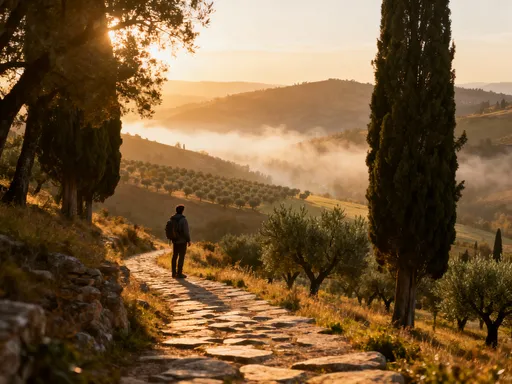
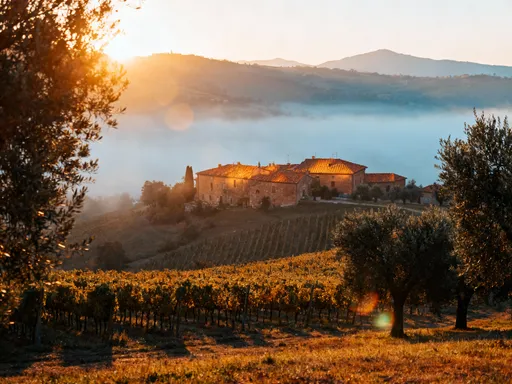
With so much natural variety, choosing where to explore in Tuscany depends on what kind of experience you seek. Each region offers a distinct character, terrain, and rhythm. The Val d’Orcia, recognized as a UNESCO World Heritage site, is perhaps the most emblematic. Its sweeping hills, cypress-lined roads, and perfectly spaced farmstead create a landscape that feels both wild and curated. Ideal for moderate hikers and photographers, this area shines in early summer when the wheat fields turn gold and in autumn when mist rises from the valleys at dawn.
For those drawn to more rugged terrain, the Apuan Alps present a dramatic contrast. Located in northern Tuscany, these mountains are known for their dramatic peaks and the famous white marble quarries that have supplied sculptors since Roman times. But beyond the stone, the range offers challenging trails through beech forests, high-altitude meadows, and limestone gorges. Routes like the Sentiero delle Grigne or the path to Monte Pisanino require good fitness and preparation, but reward with panoramic views and a sense of solitude rare in more visited areas.
Then there is Maremma, a coastal region in the southwest that remains one of Tuscany’s best-kept secrets. Here, the landscape shifts to scrubland, pine forests, and wild beaches bordered by dunes. The Macchia Mediterranea—dense, aromatic shrubland—dominates the interior, home to wild boar, foxes, and dozens of bird species. The terrain is generally flatter, making it accessible for families or those preferring gentle walks. Spring is especially lovely, when wildflowers bloom in vivid patches and the air carries the scent of rosemary and myrtle.
Other notable areas include the Colline Metallifere, a range of mineral-rich hills dotted with thermal springs, and the Casentino Valley, where ancient beech forests are part of a larger UNESCO-protected site. Each destination has its own seasonal rhythm: spring brings wildflowers and mild temperatures, summer offers long daylight hours but can be hot, autumn provides golden light and harvest festivals, while winter, though quieter, reveals the raw bones of the landscape. Matching your visit to your preferences—whether it’s solitude, scenery, or cultural immersion—ensures a more meaningful journey.
The Check-In Experience: What It Feels Like to Arrive Off the Beaten Path
Arriving in Tuscany’s wilder corners feels less like checking into a destination and more like stepping into a different dimension of time. The transition begins the moment you leave the main roads. Gravel paths replace asphalt, the hum of traffic fades, and the horizon softens into layers of olive groves and distant hills. You might pull up to a small agriturismo tucked into a valley, where the owner greets you with a basket of just-picked figs and a map marked with hand-drawn trails. Or you may park at a modest trailhead, where a stone marker bears the name of an ancient path, half-covered in ivy.
The first breath of air is different here—dry, warm, and fragrant with wild thyme, rosemary, and sun-baked earth. Cypress trees sway in the breeze, their dark spires framing the sky. A dog barks in the distance. Somewhere, a goat bell chimes. These small sounds, so ordinary yet so absent from city life, become anchors to the present. There are no crowds, no loud voices, no rush. Just space. And in that space, something inside you begins to settle.
This is where the real journey starts—not with steps on a trail, but with a shift in awareness. Without the constant pull of notifications and schedules, your senses awaken. You notice the way light filters through a canopy of oak leaves, the texture of centuries-old stone walls built without mortar, the sudden flash of a lizard darting across the path. Your mind, usually racing ahead, begins to slow. Thoughts that once felt urgent now seem distant, less important. In their place comes a quiet clarity, a sense of being exactly where you need to be.
For many, especially those accustomed to the pace of modern life, this disconnection is not just refreshing—it’s transformative. It allows room for introspection, for gratitude, for simply being. Children, too, respond differently here, drawn to the freedom of open spaces, the joy of climbing over rocks or spotting birds. The absence of structured entertainment becomes its own gift: creativity returns, curiosity grows, and families find new ways to connect. Arriving off the beaten path is not just about changing location; it’s about changing state of mind.
Trails That Tell Stories: Hiking Routes with Soul
In Tuscany, trails are not just paths—they are threads connecting past and present. Many follow routes used for centuries by shepherds, pilgrims, and traders. The Via Francigena, one of Europe’s great medieval pilgrimage routes, cuts through southern Tuscany, linking quiet villages with ancient churches and roadside shrines. Walking even a short segment—say, from San Quirico d’Orcia to Bagno Vignoni—feels like stepping into history. The trail winds through wheat fields, crosses stone bridges over dry riverbeds, and passes thermal springs that have drawn visitors since Etruscan times.
These paths are well-marked, often with yellow signs or painted blazes, and suitable for hikers of moderate ability. A full day’s walk might cover 15 to 20 kilometers, with gentle elevation changes and clear directions. Along the way, you’ll find small refreshment stops—family-run cafes offering panini, fresh lemonade, or slices of cantaloupe. The experience is as much about the rhythm of walking as it is about the destination. Each step becomes a meditation, each turn in the path a new discovery.
For those seeking lesser-known routes, the area around Pitigliano offers a network of ancient mule tracks carved into tufa rock. This volcanic stone, soft yet durable, has been shaped by water and time into dramatic cliffs and cave dwellings. Trails here wind through shaded ravines, past abandoned farms, and along ridge lines with sweeping views of the Lazio countryside. These paths require more attention—some are less maintained, and signage can be sparse—but they offer a sense of adventure and solitude unmatched in more popular zones.
Another soulful route is the Sentiero degli Etruschi, which traces old Etruscan trade and burial routes along the coast. Stretching from Livorno to Campiglia Marittima, this trail passes through fragrant macchia, pine forests, and near ancient necropolises hidden in the underbrush. Hiking even a portion of it—say, between San Vincenzo and Piombino—reveals layers of history beneath your feet. The trail surface varies from dirt paths to rocky ascents, so sturdy footwear is essential. Average hiking time for a full segment is four to six hours, depending on pace and rest stops.
Regardless of the route, preparation enhances the experience. A lightweight backpack with water, snacks, sunscreen, and a basic first-aid kit is recommended. A paper map or downloaded offline trail guide compensates for spotty phone signals. Most importantly, allow time—not just for the hike, but for pauses. Sit on a stone wall. Sketch a view. Write in a journal. These moments, unplanned and unhurried, often become the most memorable.
Nature Meets Culture: How the Land Shapes Local Life
In Tuscany, the land does not merely inspire culture—it creates it. Every element of daily life, from food to architecture, reflects a deep relationship with the natural environment. The region’s hilly terrain, poor in soil but rich in sun, has shaped centuries of agricultural adaptation. Vineyards cling to steep slopes where machines cannot go, tended by hand. Olive trees, gnarled and ancient, grow in rocky crevices, their roots drawing moisture from deep underground. These are not cultivated for convenience, but out of necessity and tradition.
Walking through the countryside, you see evidence of this harmony everywhere. Dry-stone walls, built without mortar, follow the contours of the land, preventing erosion and marking property lines. Farmhouses, once isolated, are now often restored as agriturismi, where guests can taste the fruits of the land—olive oil pressed in autumn, wine aged in cool cellars, cheese made from sheep that graze on wild herbs. These products are not mass-produced; they are seasonal, small-batch, and deeply tied to place.
Local markets in towns like Pienza, Cortona, or Pitigliano offer a sensory journey through Tuscan terroir. Stalls overflow with pecorino cheese in various ages, from soft and creamy to sharp and crystalline. Jars of honey vary by season—light acacia in spring, dark chestnut in autumn. You’ll find wild herbs like fennel pollen and mountain mint, foraged sustainably by locals who know where and when to gather. Even the bread, dense and crusty, reflects the region’s grain traditions, baked in wood-fired ovens that have warmed homes for generations.
Food is just one expression of this connection. The rhythm of life here follows natural cycles. Spring means pruning vines and planting vegetables. Summer brings early-morning harvesting to avoid the heat. Autumn is for pressing olives and fermenting grapes. Winter, though quieter, is for planning, repairing tools, and sharing stories. This cyclical awareness fosters a deep respect for nature—not as a resource to exploit, but as a partner in survival and beauty. For visitors, engaging with this rhythm—by joining a harvest, tasting seasonal dishes, or simply observing—creates a richer, more authentic experience than any guidebook can offer.
Travel Smarter: Practical Tips for Exploring Tuscany’s Wilderness
Exploring Tuscany’s natural areas is rewarding, but preparation ensures safety and comfort. The best times to visit are spring (April to June) and autumn (September to October), when temperatures are mild, wildflowers bloom, and the light is soft and golden. July and August can be extremely hot, especially in inland areas, and some trails may lack shade. Always check the weather forecast before setting out, and start hikes early in the morning to avoid the midday sun.
Navigation is key, particularly on lesser-known paths. While major trails like the Via Francigena are well-marked, rural routes may rely on cairns, stone piles, or subtle blazes. A physical map or a GPS-enabled app with offline capabilities is essential. Popular options include Komoot, ViewRanger, or the official regional trail maps available at tourist offices. Never assume phone signal will be reliable—many remote areas have none.
Footwear matters more than most expect. Trails can be uneven, rocky, or slippery after rain. Sturdy hiking shoes with good ankle support and grip are recommended, even for short walks. Pair them with moisture-wicking socks to prevent blisters. Dress in layers: mornings can be cool, afternoons warm. A wide-brimmed hat, sunglasses, and sunscreen protect against strong Mediterranean sun.
Bring at least two liters of water per person for a full-day hike, plus high-energy snacks like nuts, dried fruit, or granola bars. While some trails pass through villages with cafes, others are completely isolated. Always pack out what you bring in—litter disrupts wildlife and diminishes the experience for others. Respect local customs: close gates behind you, avoid picking plants, and keep noise to a minimum.
Accessing remote areas often requires a car, as public transportation is limited outside major towns. If renting, choose a compact vehicle suitable for narrow, winding roads. Some agriturismi offer shuttle services from train stations. For the most eco-friendly option, consider combining train travel with local taxis or bike rentals. Many regional parks also offer guided walks, which provide expert insight and eliminate navigation concerns.
Finally, practice sustainable tourism. Stay on marked trails to prevent erosion. Avoid disturbing wildlife or nesting birds. Support local economies by buying food and crafts directly from producers. Your presence should leave no trace but your footprints—and perhaps a little more awareness in return.
Beyond the View: Why These Landscapes Stay With You
The beauty of Tuscany’s wild hills is not just seen—it is felt. Long after the photos are shared and the souvenirs unpacked, certain moments linger: the silence of a valley at dawn, the warmth of sun on your face as you rest on a stone wall, the sound of wind moving through a field of lavender. These are not fleeting pleasures, but imprints on the soul. They remind us of a simpler way of being, one rooted in presence, rhythm, and connection.
For many women in their 30s to 50s—often balancing family, work, and personal needs—such experiences are not just welcome, they are necessary. Time in nature offers a rare gift: permission to slow down, to breathe, to remember who you are beneath the roles you play. There is healing in that stillness, not in a dramatic way, but in the quiet accumulation of small, meaningful moments. A shared laugh with your daughter as you spot a wild rabbit. The pride in completing a challenging climb. The peace of watching a sunset paint the hills in rose and gold.
These landscapes stay with you because they speak to universal human needs: belonging, simplicity, wonder. They remind us that beauty does not require fanfare, that value is not measured in speed, and that some of the best things in life—sunlight, fresh air, a warm meal after a long walk—are free. In a world that often feels fragmented and fast, Tuscany’s wild corners offer cohesion and calm.
So go. Explore mindfully. Walk with respect. Let the land teach you what it knows. And when you return home, carry that stillness with you. Share it not just in stories, but in the way you live—more gently, more attentively, more fully. Because the truest journeys do not end when the hike is over. They continue in the quiet spaces between moments, shaping how we see the world, and how we see ourselves.